


Influencer marketing has moved from an experimental tactic to an important part of marketing strategy for B2B brands. This evolution has been powered by changes in buyer behavior, the increasing importance of trust, and the impact of AI on how content is created and found. At TopRank Marketing, we’re seeing more businesses than ever opening up to the possibilities of collaborating with B2B influencers and creators.
In fact, Emarketer has forecast that Influencer marketing will pass $13 billion by 2027 and there’s a good reason why: Forrester reports that B2B buyers value the insights of independent experts: industry peers, analysts, and even vendor executives and customers, with trust levels ranging from 66% to 72%.
Multiple industry trends support the growing popularity of influence for B2B brands: B2B buying groups continue to grow in size and complexity, trust is more important than ever for decision making, and buyers are tired of AI-slop and increasingly rely on expert voices, peers, and creators to validate decisions across long buying cycles.
With that background, the following list highlights ten of our most impactful B2B influencer marketing posts of 2025. This is a topic we’ve been covering here for nearly 15 years. In the list below you’ll find posts showcasing real-world examples, data-backed insights, and practical frameworks that show how influence is being implemented across channels, formats, and business goals, from brand authority to demand generation to lead generation.

The Rise of Influence in B2B: 10 Timeless Examples of B2B Influencer Marketing
This post by Lee Odden includes a curated list of real-world B2B influencer marketing examples from brands including Sprinklr, Dell, LinkedIn, Adobe, and SAP that illustrate how brands are applying influence across different channels, formats, and business goals. It highlights how these programs (most of which are TopRank work) are structured, the types of influencers involved, and the outcomes they are designed to support, from brand awareness to demand generation.
Strategic vs Tactical: Why Always-On Influencer Marketing Wins in B2B
In this post, Theresa Meis explains the difference between strategic and tactical approaches to B2B influencer marketing and why both are necessary for ongoing performance. She outlines how strategy defines goals, audience focus, and integration across the funnel, while tactics address execution details including content formats, channels, and activation. For many B2B marketers exploring influencer marketing for the first time, this post provides a clearer framework for aligning influencer activities with broader marketing objectives instead of treating them as isolated campaigns.
How to Scale B2B Influencer Marketing: Operations, Process and Technology
Here Alex White revisits one of our older posts with updates for 2025 on how B2B brands can scale influencer marketing programs beyond pilot campaigns into repeatable, sustainable programs. It outlines the operational, strategic, and governance considerations that are often required to support growth, including standardizing processes, internal alignment, and long-term influencer relationships. It’s a good source of practical guidance on what changes as influencer programs move from experimentation to Always-On.

2025 B2B Influencer Marketing Statistics and Trends
Our 2025 B2B Influencer Marketing report was full of data and insights. Here, Lee picks out some of the most compelling findings, highlighting key statistics and trends shaping how B2B organizations plan, execute, and measure influencer marketing programs. The post focuses on evidence-based shifts in maturity, integration, budget allocation, and performance expectations that are influencing influencer marketing strategies moving into 2025.

The Rise of Micro-Influencers in B2B Marketing: Niche Voices Create Big Impact
This blog post takes a look at the role of micro-influencers in B2B marketing and why smaller, more focused audiences can deliver more meaningful activations and impact. Lee outlines how micro-influencers contribute to credibility, relevance, and engagement within niche markets, along with practical ideas for identifying and working with them. For any B2B marketer that wants a clearer understanding of when and how micro-influencers fit into an effective B2B influencer marketing strategy, this is a good start.

B2C vs. B2B Influencer Marketing – What’s the Difference?
Anyone working with B2B influencers know there are distinct differences from B2C. But a lot of B2B marketers are only familiar with influencers through a B2C lens. In this post Alex makes the B2C and B2B influencer marketing comparison, outlining the key differences in audience expectations, content approaches, and measures of success. It explains how buying cycles, decision dynamics, and trust requirements shape influencer strategies in B2B contexts versus consumer markets. You’ll get a clearer perspective on why B2B influencer marketing requires different planning, execution, and measurement.
Always-On Influence: Data and Experts on What Really Works in B2B Marketing
Our research found that 82% of B2B marketers that report the highest levels of influencer marketing success use an always-on approach, compared to just 39% of all other marketers. This post is an excerpt of our 2025 B2B Influencer Marketing report that digs in to why always-on is most often more effective. The post includes quotes from marketing influencers (because we walk the talk) including Ryan Bares from IBM, A. Lee Judge from Content Monsta, Nic Michael from DataRobot, and Amy Higgins from Cloudflare. If you want data and best practices to inform a better understanding about Always-On B2B influencer Marketing, this post is for you.
The B2B Influencer Matchmaking Game: How to Find the Right Influencers for Your Business
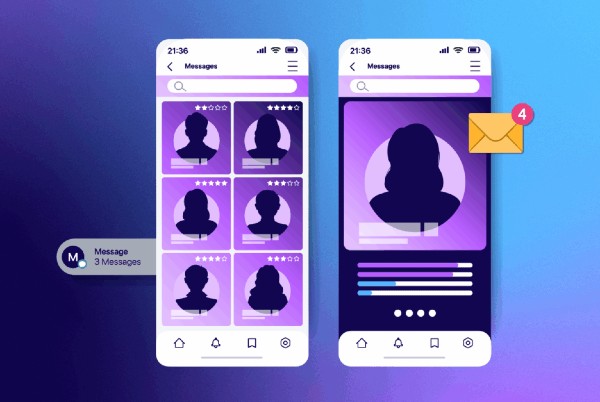
For this post, Alex uses a practical, game-based metaphor to show why effective B2B influencer marketing depends on strategic fit more than superficial popularity. It breaks down how brands can use a system to match influencers to specific goals, audiences, and content needs and helps see the difference between ad hoc selection and intentional influencer program planning. You will come away with a better understanding of how thoughtful influencer “matchmaking” supports more credible, integrated, and scalable influencer programs.

The New AI: Humanizing B2B Marketing with Authentic Influence
With AI on everyone’s mind in B2B marketing, influence is not immune to the impact. In this post, Lee talks about how AI is reshaping B2B influencer marketing by increasing efficiency without replacing the need for human credibility and trust. He talks about where AI can responsibly support influencer programs such as discovery, analysis, and content optimization while pointing out that authenticity, expertise, and relationships are the core human drivers of influence. There’s a clear framework for balancing the benefits of AI like efficiency and scale with the human capabilities that can create impact for buyers and algorithms alike.
Building Credibility at Scale: The Trust Engine in Best Answer Marketing
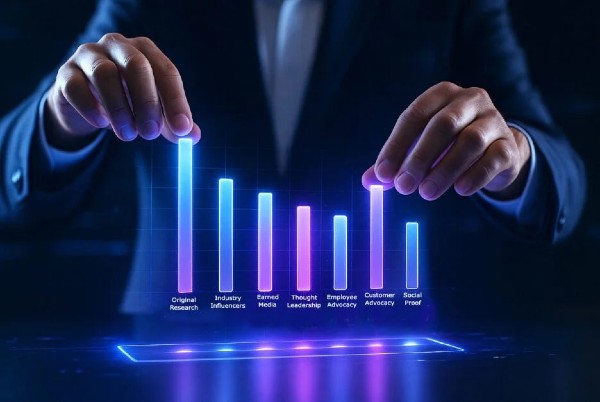
As part of the Trust System pillar of the TopRank Marketing Best Answer Marketing framework, this post digs in to how trust can operate as a system instead of a single tactic and why building trust is more important than ever for B2B growth. Lee outlines the specific trust signals that increase credibility, including original research, expert and influencer participation, executive visibility, and third-party validation, and shows how they work together to influence buyer confidence and AI-driven discovery. This post is a primer for how to intentionally design and scale trust in your B2B marketing to support brand authority, demand creation, and long-term relevance.
Together, these posts show an important shift in how influence creates an advantage for B2B brands. Influencer marketing isn’t about one-off activations anymore. It’s about building credibility over time through trusted voices, integration with content marketing, SEO/GEO and thought leadership, and helping create more findable and trustworthy content across the buyer journey.
B2B marketers that are best at engaging B2B influencers and creators treat influence as a system. As AI speeds up content production and changes how information is found, the B2B brands that stand out will be those that invest intentionally in genuine relationships and always-on influence that can earn trust at scale.
For research and statistics, best practices and expert insights on B2B influencer marketing, download our 2025 B2B Influencer Marketing Report (pdf) here.
Of course, if you’re ready to learn more about your options for the next level of B2B influence, see how TopRank Marketing’s influencer marketing services can help you build more credible content that reaches interested buyers and helps create a consensus of trust that is in such high demand by B2B decision makers.