


Late stage buyer journey results are what B2B marketing leaders tend to care most about. Ironically, it’s also where B2B influencer and creator marketing programs are most prone to underinvest.
TopRank Marketing’s new research for the 2027 B2B Creator and Influencer Marketing Report found that, compared to all others, B2B marketers who rated their influencer program as very effective were significantly more likely to use influencer marketing in support of:
- The evaluation stage (62% vs 44%)
- decision stage (63% vs 48%)
- The post-sale stage (46% vs 25%)
Influencer marketing for B2B brands is often viewed as an awareness play, focused on building recognition and foundational trust through the established credibility of B2B creators. That’s certainly a huge part of it. But without a content strategy designed to capitalize on that early-stage influence, brands aren’t going to see the full value and impact of their investment.
Here’s how to tailor your influencer mix, topics and content types for each stage of the modern B2B buyer journey.
Awareness stage: Attention and credibility
For buying groups and customers at the beginning of their journey, the utility of content from business influencers and creators is all about reaching as many relevant people as possible, establishing brand credibility, starting conversations, and building relationships. Aim to make a big splash with thought-provoking content from respected voices in the world of your buyers..
B2B Creator Mix for Awareness:
This approach aligns with how most B2B marketers use influence today. TopRank’s State of B2B Thought Leadership research shows 66% of B2B marketers rely on thought leadership at the awareness stage to build visibility and credibility, reinforcing why recognizable, trusted voices play such an important role early in the buyer journey.
That tracks with our latest B2B influencer marketing survey data: B2B marketers rank trustworthiness and credibility (46%) and audience relevance (40%) well above raw audience size (30%) when selecting creators to work with. Reach still matters at this stage – you need enough of it to make a splash – but it’s the tiebreaker, not the headline.
Effective influencers and creators for upper-funnel, awareness stage initiatives include a type of influencer/creator that we call, brandividuals. Thinkof them as keynote speakers, consultants, podcasters, social media personalities, and increasingly, entertainment creators who bring high level visibility and infotainment vs. depth to industry topics. Entertainment creators are a newer addition to the B2B influencer mix, but they are rising fast: our latest research shows entertainment creators now show up in a third of B2B influencer rosters overall, and very effective programs lean into them at nearly double the rate of everyone else (43% vs 25%).
Very effective B2B influencer marketing programs are nearly twice as likely as all others to partner with entertainment creators.
Awareness Topic Selection:
As with all awareness stage content, your topics will be more high-level, aimed at showing off your knowledge of the industry and the challenges your potential customers are facing.
Think about topics like:
- Industry trends. What’s happening now and what’s on the horizon? How can your audience best prepare?
- Best practices. What processes need fixing in your industry? What are people falling short at?
- Starting points. What is the first step towards a transformation? How can your audience get the ball rolling?
To Gate or Not to Gate Awareness Stage Content?
If at all possible, keep your early stage, ToFu influencer content un-gated. Save the lead gen forms for further down the buyer journey.
There’s another reason for this beyond the lead-gen logic: research from Bain & Co shows that roughly 89% of citations for unbranded B2B questions in AI search come from third-party sources, not brand-owned content. Gated content is effectively invisible to LLMs and AI powered answer engines. Un-gated awareness stage content can do double duty: building organic awareness and feeding the AI citations that increasingly drive early-stage discovery.
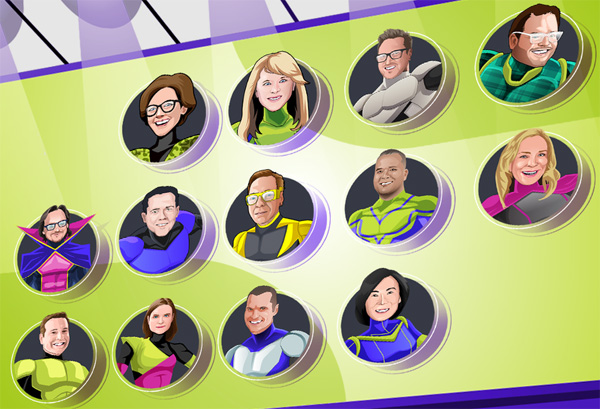
B2B Influencer Content Example: DemandBase Assembles a Marketing Superteam
TopRank partnered with DemandBase to turn well-known B2B marketing industry influencers into superheroes with a storyline centered on saving the B2B marketing world from human spam. The goal of this creative B2B influencer marketing program was to raise awareness of their new Smarter GTM™ solution. It’s bold, colorful, creative, and features some of the biggest names in the B2B marketing biz. And there’s not a gate in sight.
Mid-Stage Engagement: Practical utility
To reach people who already have the big picture, you have to get into actionable, highly useful content. This type of content helps endear your brand to your audience. If you can help a key decision-maker look brilliant in front of their boss, get a raise or get promoted – well, that’s worth more than gold. As such, your B2B influencer mix will reflect a more “on the front lines” mentality.
This is where B2B brand and influencer collaboration can accelerate performance. In our B2B thought leadership report, 72% of marketers who frequently collaborate with influencers say their research-based content is very effective, compared to just 29% of everyone else. Practical, experience-driven voices can help transform insight into action – exactly what mid-funnel buyers need.
72% of marketers who frequently collaborate with influencers say their research-based content is very effective.
B2B Creator Mix for Engagement:
A brandividual or two is still a good idea for a mid-stage campaign focused on buyer engagement; you still want to reach a wide audience. But look towards adding trusted voices with practical experience in your industry. That means either those who are actively working in your field, or those who have moved up the ranks but still keep a finger on the pulse of the industry.
For example, someone who retired as a CFO and now runs a CFO interview podcast would be a great fit for talking about the finance department. But so would a potential prospect who is doing great work and enjoying success in their job. Both profiles map to creator types that B2B brands already lean on heavily at this stage: executive leaders (33%) and subject matter experts (36%) are two of the most common creator categories in our research, right alongside customer advocates.
For these influencer partners, it’s less about massive reach and all about useful, actionable information.
Engagement Topic Recommendations:
Your content should focus on helping people in specific ways that improve their business, job or employee experience. You can also bring your solution into the conversation, but sparingly. It’s fine to say, “A platform like ours makes it easy to automate this process.” Just don’t go as far as “The entirety of our advice is to buy our platform.” The latter is a bad look, especially since creators typically shy away from outright endorsement.
Stick to content types like:
- How-to guides and explainer videos
- Checklists and frameworks
- Challenges and solutions
- Process refinements
When it comes to your approach for developing engagement focused content, very effective programs are considerably more likely than everyone else to invest in higher-effort, durable formats built with creators: podcasts (37% vs 19%), research reports (35% vs 22%) and newsletters (38% vs 25%). If a checklist or how-to resonates, look for the chance to turn it into a recurring series instead of a one-off asset.
To Gate or Not to Gate Mid-Funnel Content?
Our research has found that buyers are far more willing to exchange information when influencer content delivers clear, credible value – especially when it’s grounded in original data and expert perspective vs. opinion alone. Just remember to build a robust landing page that features your creators, their head-shots, and a taste of their content; in other words, give them something they can feel good about sharing.
B2B Influencer Content Example: Prophix Wants to Make You a CFO
Prophix and TopRank Marketing built an SEO-driven power page called The Finance Career Acceleration Center around video stories from customers who advanced their careers using Prophix, then surrounded those stories with career advice from CFOs, finance mentors, and finance content creators through a series of influencer interview blog posts and quotes woven into the page. The influencers supplied the practical expertise buyers were searching for, such as “how to become a CFO,” while customers supplied the proof, giving both groups a reason to amplify content that answered a career question before it made a product pitch.

Late-stage conversion: Differentiation and proof
When your buyer is this far into the journey, they’re not looking for famous names and industry thought leaders. They want to know why your solution is the best option, and they don’t want to take your brand’s word for it.
At this stage, trust becomes decisive. B2B buyers consistently cite evidence, customer stories and expert validation as the factors that reduce risk and accelerate decisions. Influencers and creators here aren’t about achieving reach – they’re about helping build belief.
Late stage buyer journey content is where the definition of influencer can be broader to include your in-house experts and customers.
B2B Creator Mix for Conversion:
Most of the influence for late stage buyer journey content should come from people with hands-on experience with your solution. Use these expert and trusted voices to tell the story of what makes your brand different from the competition. Customers in particular are useful here, as they can (preferably in their own words) paint a picture of life with and without your solution.
This isn’t a small niche, either. Customer advocates are the second-most common B2B creator type in our research (42%), trailing only large-audience content creators. If you’re not systematically identifying and activating your happiest customers as creators, you’re underusing your most persuasive bottom-funnel asset.
Customer advocates are the second-most common B2B creator type in influencer programs, trailing only large-audience content creators.
Insights on Conversion Stage Content Topics:
Your content for inspiring decision confidence should use influencer voices to highlight what makes your brand, your people, and your solution special. In particular, conversion content should:
- Highlight the outcomes your solution makes possible – show what success looks like
- Show off your support system. What’s it like to be your customer?
- If relevant, introduce some of the people who make the company work, whether it’s engineers, contact center reps, or your CEO.
To Gate or Not to Gate Late Stage Content?
Conversion focused content is the right place for a lead gen form. As mentioned earlier, though, make sure to offer enough value in front of the gate that your influencer partners feel good linking to it.
One caveat worth building into your content planning: this is exactly the kind of third-party-validated proof content that AI search wants to cite, and a fully gated asset can’t be cited at all. Consider pairing your gated deep-dive content with an un-gated summary or companion piece. This way, you keep the lead-gen mechanism for buyers who want the full asset, without shutting answer engines out of the story entirely.
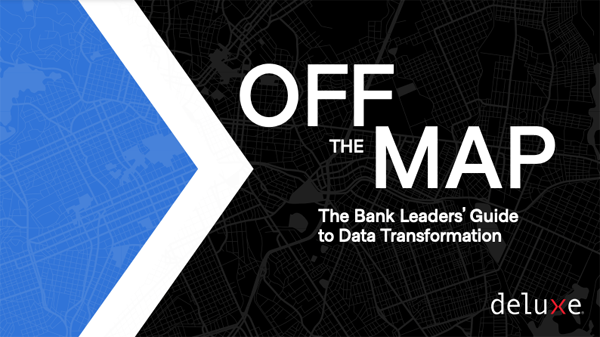
B2B Influencer Marketing Example: Deluxe Takes Bankers from Maps to GPS
For their Off the Map guide, Deluxe wanted to highlight how their Banker’s Dashboard can help small banks and credit unions to automate processes and become more efficient. Advice from industry experts, practitioners, and customers all come together in an ungated asset. Lead capture comes from a more promotional section on the landing page itself, leading directly to a “Contact Sales” CTA.
Post-sale: Retention and advocacy
Of course the lifecycle of a B2B customer doesn’t end at the signature. Very effective B2B influencer programs are nearly twice as likely as everyone else to extend influence into the post-sale stage (46% vs 25%). That gap is arguably the easiest one to close, since the best creators for this stage are often already inside your customer base.
Very effective B2B influencer programs are nearly twice as likely as everyone else to extend influence into the post-sale stage.
B2B Creator Mix for Post Sale Content:
Look to power users, community members, and the customer success and support people who champion them internally. The occasional “graduated” voice – a former customer who’s moved up and now speaks more broadly about the category – can bridge back to mid-funnel credibility, too.
Approach to Exapansion Content Topics:
Late stage expansion content should help existing customers get more value, with a certain level of awareness and product knowledge already assumed. Think about:
- Advanced use cases and workflows beyond onboarding
- Expansion and upsell scenarios framed as growth
- Customer councils or advisory boards that double as content and product feedback loops
- Renewal-readiness content that makes the business case internally
To Gate or Not to Gate Post-Sale Content?
Skip the lead-gen form since this audience already converted. If there’s a gate at all, it’s belonging: a logged-in customer community or private council.
True B2B influence is unlocked across the buyer journey
When B2B influencer voices are intentionally mapped to every stage of the buyer journey from first spark of awareness through renewal and advocacy, they stop being a tactic and start being a system.
That system matters more now that discovery itself has moved upstream. Answer engines are far less likely to cite brands than third-party voices, and those the same voices carry even more weight after awareness is earned. Programs that carry influence through evaluation, decision and post-sale are the ones channeling discovery into lasting relationships and results.
The system we’ve built for the intersection of influence and full buyer journey content experiences is called Best Answer Marketing. With a data-informed and integrated strategy, trust becomes a system and discovery happens across the channels where buyers are looking including AI search and LLMs. Using BAM, B2B brands can evolve from simply implementing campaigns, to becoming a best answer brand in their category.
Influencer marketing can create attention – but belief is what moves buyers forward. Your strategy can build that belief at every stage, for the humans making the decision and the engines shaping what they see. If you’re ready to build B2B influence that performs across the full buyer journey including AI search, we can help.